The United Arab Emirates presents a compelling narrative of gender progress with its rapid modernisation, extensive educational achievements among women and international recognition for its national policies advancing gender parity. Yet the notion of patriarchal bargaining is critical to understanding the intricate forces that shape women’s empowerment and their capacity to assume leadership roles in the UAE. Emirati women now account for the majority of university graduates, and the government has received praise for initiatives aimed at integrating women into public life. But this image of advancement coexists with persistent constraints. Women’s agency continues to be mediated by patriarchal structures and cultural expectations, producing a paradox in which empowerment is simultaneously enabled and restricted.
The UAE’s political leadership has consistently emphasised the value of diversity and inclusion as central to the nation’s development agenda. Indeed in 2019, the launch of the theme “Towards the Next 50” was accompanied by a pledge to engage all segments of society, embedding diversity and inclusion in the vision for the future. Concrete steps have been taken in this direction: women currently hold nine ministerial posts, comprise 66% of the public sector workforce, and occupy 30% of leadership positions. The creation of the UAE Gender Balance Council has been particularly influential, propelling the country from 49th place on the Gender Inequality Index in 2015 to 7th globally by 2022. Since 2012, the government has also mandated the inclusion of women on the boards of publicly listed companies and government agencies.
At one level, these initiatives represent meaningful progress; at another, they function as tools of statecraft, with women’s empowerment strategically deployed as part of a national branding strategy that promotes a modern and progressive image of the UAE on the global stage.
Through these state-led initiatives, the female public domain has been reshaped to reflect empowerment and agency. National strategies such as the National Policy for the Empowerment of Emirati Women and the National Strategy for the Empowerment of Emirati Women emphasise family support, labour market integration, and skills development, while the Gender Balance Council champions gender equality across sectors. These frameworks highlight the state’s active role in shaping women’s empowerment. However, this state-driven approach, often described as state-sponsored feminism, also consolidates the government’s authority over women’s lives, ensuring that empowerment unfolds within tightly managed boundaries.
Additionally, despite these achievements, the UAE remains a predominantly patriarchal state where women’s empowerment is extended largely within the confines of patriarchy and nationalism, two forces deeply interwoven with the state, culture and religion. The historic distribution of gender roles continues to reinforce patterns of female subordination, limiting women’s full participation in social and economic life. The contradictions of this model are particularly evident in the government’s deployment of women’s images as instruments of nation-building and cultural identity. On one hand, women are showcased as symbols of a modern and progressive UAE; on the other, they are simultaneously positioned as guardians of tradition. Government-sponsored documentaries and short films often depict women as empowered professionals, yet invariably in traditional attire, such as the abaya and veil. These representations underscore how women’s empowerment remains promoted primarily within patriarchal constraints.
Within this context, women continue to face limits on their freedoms and on the range of opportunities available to them, both in private and public life. The dominant image of women as wives and mothers persists, overshadowing the realities of their growing educational and professional achievements. This tension compels women to engage in patriarchal bargaining, navigating and negotiating their roles within restrictive structures.
Patriarchal bargaining in the UAE allows women to maximise security and stability while operating within subordinating systems. Many adopt what might be described as a “disagreeable order,” choosing to work within existing structures rather than seeking to dismantle them, as alternative avenues for empowerment often appear unattainable. This bargaining frequently manifests as passive resistance and continuous re-negotiation. Women uphold their side of the bargain, observing propriety, modesty, and compliance, while expecting men to fulfill their responsibilities as providers and protectors. For instance, women in media are prominently utilised by the state to project an image of liberation and visibility. Yet, in response, these women reinforce traditional markers of respectability, wearing the veil and abaya at work, to safeguard their social legitimacy. Restrictions are thus reframed as acceptable trade-offs for the security and status promised by the patriarchal order.
This arrangement has been described by Hasso as a “devil’s bargain,” wherein state-provided rights and protections are attached to significant restrictions and foreclosures. Over time, this bargain generates tensions between modernisation goals and cultural expectations. While the state promotes women’s participation in education and the workforce, family norms continue to assign women primary responsibility for childbearing and domestic care. The result is a dual burden: women may achieve educational and professional success, yet remain bound to traditional domestic roles.
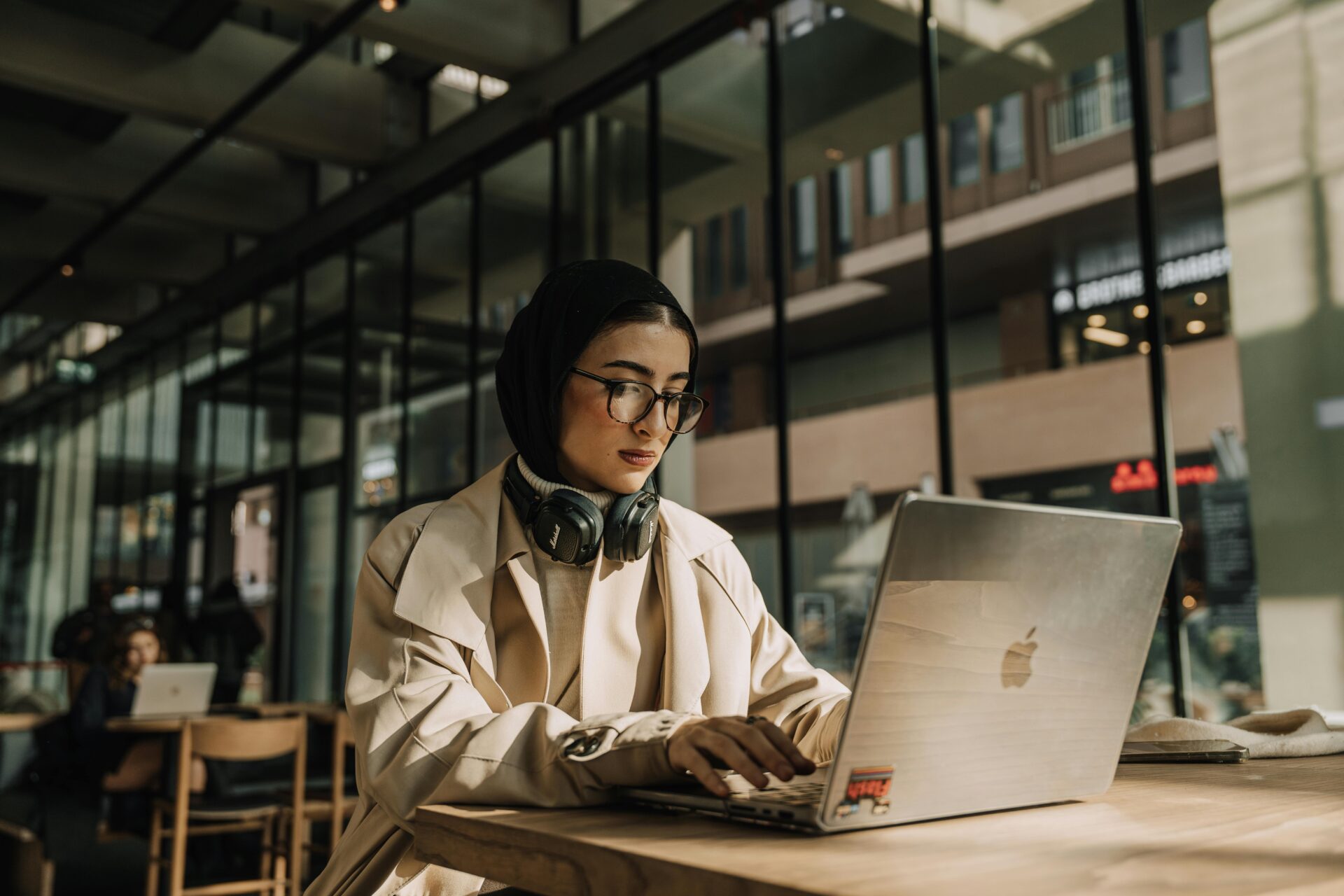
Even for highly educated Emirati women, the pursuit of careers often requires bargaining within the family. Many must secure permission from fathers and/or husbands to pursue tertiary education or employment, often with assurances that they will observe traditional norms. Career ambitions are frequently directed toward the public sector, which is seen as more compatible with cultural expectations of modesty and family responsibility. By contrast, expatriate women in the UAE, who are generally exempt from these cultural constraints, enjoy greater professional autonomy. Yet they too encounter gendered limitations outside the workplace, such as restrictions on socialising with male Emirati colleagues, demonstrating that patriarchal norms extend beyond nationality and into broader social life.
Women’s agency in the UAE is not absent but negotiated, shaped by the delicate balance between state-led empowerment, patriarchal expectations, and national identity. The phenomenon of patriarchal bargaining highlights both the resilience and constraints of Emirati women as they navigate the intersections of modernisation, tradition and state control.
The views expressed in the Near East Policy Forum are those of the authors and do not represent the views of the Near East Policy Forum or any of its partner organisations.